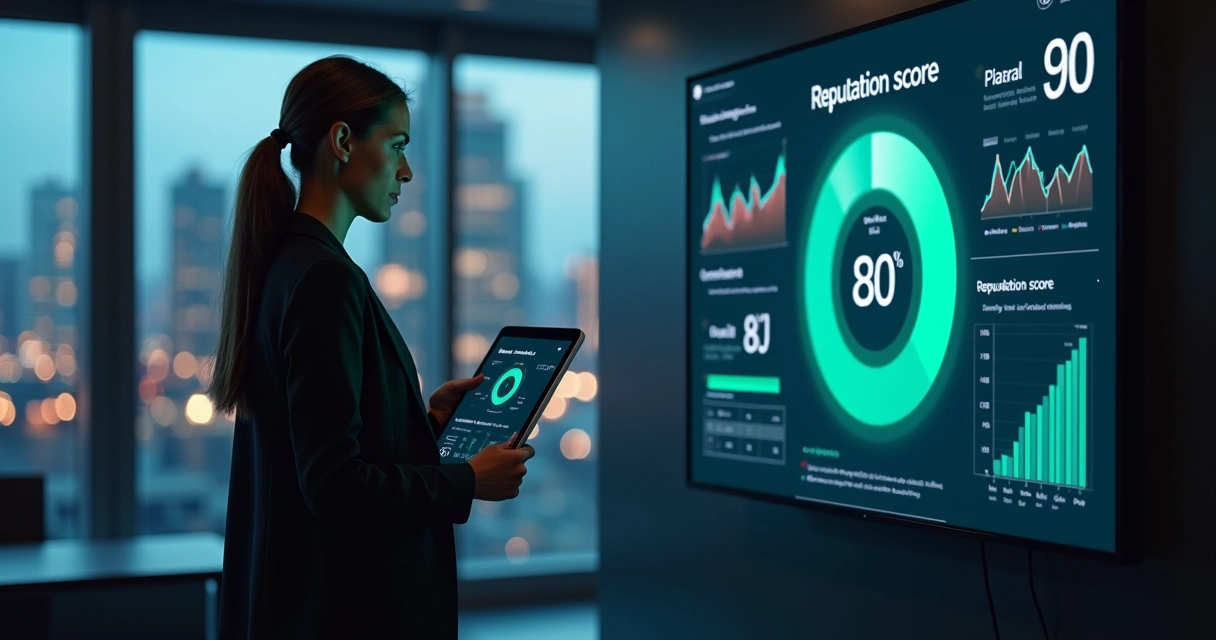
When I first heard how large language models like ChatGPT, Claude, Gemini, or Perplexity could shape a brand’s reputation out in the open, my perspective changed. I realized that people are now consulting these models as if they were trusted experts, sometimes putting more weight on them than on search engines. The conversation had moved, fast and quietly. This is not science fiction anymore—it's part of daily decision-making for consumers and companies alike.
Understanding, measuring, and responding to these opinions from LLMs has become almost as important as tracking what people say on social media. In this journey, I’ve learned the value of real-time sentiment tracking—and developed a simple, step-by-step approach any marketing leader, founder, or brand manager can adopt.
What is sentiment in LLMs, anyway?
Before we get into the stepwise process, it matters to clarify what we mean by sentiment in large language models. When an LLM is asked about a brand, tool, or category, it’s not just repeating facts—it’s creating an impression. This might be explicit (“Company X is trusted and widely used in the industry”) or subtle (comparing you to someone else, pointing out cons, or even repeating outdated opinions).
Sentiment in LLMs is the tone, favorability, and implied attitude these models communicate when prompted about your brand or products. Sometimes it’s positive, sometimes negative, and often it is somewhere in between. Because LLMs update, learn, and sometimes hallucinate facts, keeping track of these shifts matters as much as tracking social listening trends.
Why does sentiment shift in LLMs?
Every time large language models retrain, ingest new data, or get patches, what they "know" about you can change. Sometimes the shifts are driven by:
- Recent media updates or new web content about your brand
- Corrections and improvements in the model's training data
- Internet trends, industry shifts, or changes in public opinion
- Hallucination, mixing of outdated information, or merging competitor attributes
- Brand-related updates that haven't yet propagated to the datasets used to train the model
I’ve been surprised more than once to find an LLM repeating an old pricing message, attributing product features I no longer support, or even comparing my brand unfavorably based on data that is several months old. Because these shifts can occur anytime, real-time tracking is the only way I feel confident responding or correcting the narrative.
Step-by-step: How I track real-time sentiment shifts in LLMs
I have refined my approach to monitoring LLM sentiment over many cycles. Here's how I break the process down:
1. Define high-impact prompts
You can’t track everything, so I focus on the questions that matter most. Usually, these fall into three groups:
- Direct brand questions: “What is [My Brand]?” “Is [My Brand] a good option for [Industry/Use Case]?”
- Comparisons: “What are the best project management tools?” “How does [My Brand] compare to others?”
- Category queries: “What solutions exist for [Problem]?”
I periodically review trending queries and add or adjust prompts to match current conversations in the market.
2. Set up regular, automated LLM queries
Next, I schedule these prompts to run against the public APIs or interfaces of different LLMs. Consistency matters. By querying the same way, daily or weekly, I get an apples-to-apples view over time.

3. Analyze and label the responses
I read through each LLM response and tag the sentiment: positive, neutral, or negative. For more nuance, I often use a scale and add notes for context. Automated tools can speed this up, but I always spot-check because context can be subtle: a response that sounds neutral at first may actually have a negative implication hidden inside.
4. Detect discrepancies and hallucinations
Often, the biggest surprises come not from tone, but from hallucinations—responses where the LLM invents new features, changes your pricing, or merges competitor messaging. When I see this, I flag it, sometimes with a direct quote, and research whether this is a new issue or a holdover from older data.
5. Track sentiment shifts over time
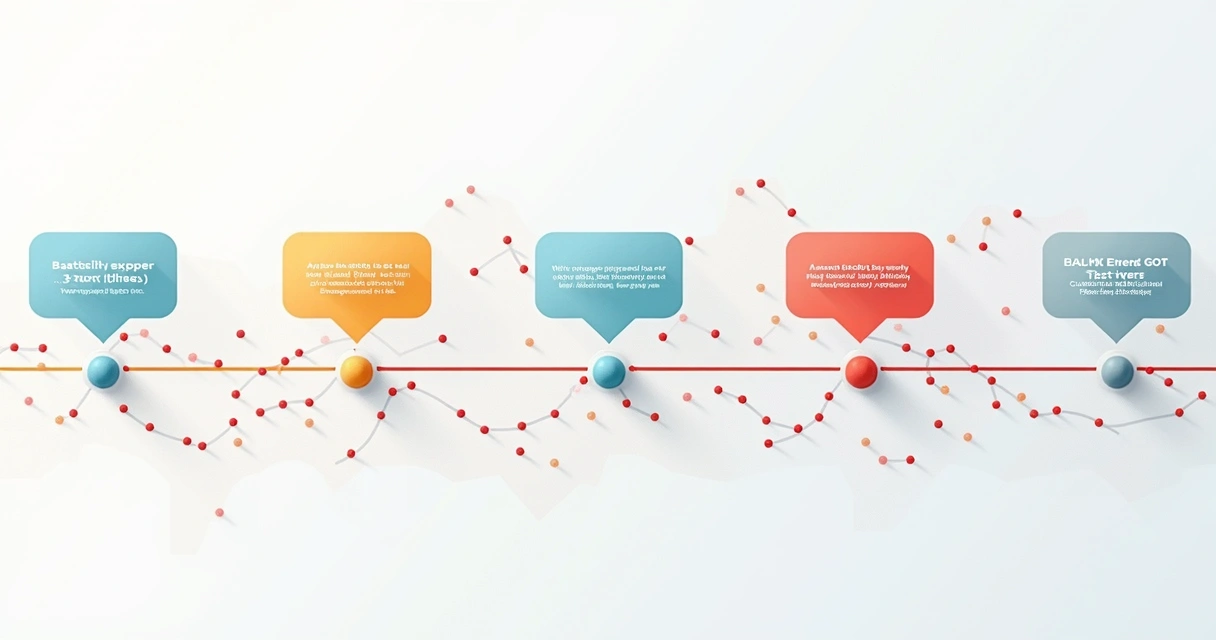
Aggregating all this data lets me create a timeline view. I plot weekly or monthly average sentiment, track notable spikes or drops, and pull out key examples. This lets me spot correlations, like a sudden drop in positivity after a news article or following an LLM model update.
6. Get alerted to major changes
No one can watch every response, every minute. That’s why I use alerting for major changes: significant shifts in sentiment, or the appearance of new and repeated hallucinations. If I don’t catch it fast, the market might notice first.
7. Respond and update publicly
When real-time sentiment shifts, or a hallucination starts to spread, I act. Sometimes this means updating web content, correcting third-party profiles, or publishing an official clarification. Occasionally I’ll reach out through model feedback mechanisms. Quick, honest updates help LLMs learn—because their answers are always tied to what’s available online.
Using getmiru.io to monitor LLM sentiment
Throughout my experience, I found that doing all this manually is tough. Platforms like getmiru.io have dramatically improved my ability to track, visualize, and react to LLM sentiment shifts in near real-time. From one dashboard, I see what the major models are saying about my brand, spot hallucinations, and review sentiment scores over time without juggling spreadsheets or manual notes. Their citation analysis even explains which sources the LLMs are referencing, so I don’t waste time fixing things outside my control.
Seeing patterns and taking action
Real-time tracking reveals patterns. When I saw a drop in sentiment tied to a press release, I could course-correct right away. Positive momentum after a new feature launch? Validated. If an LLM repeats a competitor’s claim as if it were a fact, I spot it. All this makes it possible to approach LLM reputation with the same care and speed I bring to social media or search.
Connecting the dots with the rest of your brand monitoring strategy
Sentiment tracking in LLMs is only one part of the reputation puzzle. I always recommend linking this with other areas, like traditional media coverage or social listening. By integrating insights from getmiru.io with content about artificial intelligence platforms, or trackings from your monitoring strategies, the full picture becomes clear.
I’ve found posts like this one on sentiment response and brand narrative corrections can inform practical actions as I review LLM insights. Pulling all these threads together can truly strengthen a brand presence in the AI-first search era.
Conclusion
Real-time sentiment tracking in LLMs is no longer optional. If the world is turning to AI models for their first impression of your brand, you must be one step ahead. I have seen the difference direct visibility and quick reaction can make—catching hallucinations, measuring sentiment trends, and keeping the narrative honest and accurate. Platforms like getmiru.io put you back in control of the story, even when it’s written by machines.
If you want to understand exactly what LLMs are saying about your company right now and keep your reputation sharp, take the next step. Get to know getmiru.io and turn LLM sentiment into an asset, not a risk.
Frequently asked questions
What is real-time sentiment tracking in LLMs?
Real-time sentiment tracking in LLMs means systematically monitoring and recording the opinions and attitudes that large language models express about brands, products, or topics through their natural language outputs, as those outputs update and shift on a daily or weekly basis. It is similar to social listening, but for AI responses instead of social posts.
How do I track sentiment shifts step by step?
Start by selecting key prompts relevant to your brand or industry. Run these queries through each LLM regularly. Review and annotate the responses to assess sentiment (positive, negative, or neutral). Watch for sudden shifts or repeated hallucinations. Use dashboards or dedicated tools like getmiru.io to visualize trends, set alerts for major sentiment changes, and act quickly when a significant shift appears.
Is it worth it to monitor LLM sentiment?
Yes, because for many customers, their first digital impression of your company now comes from an LLM rather than a search engine or review platform. Monitoring sentiment helps you stay aware of fast-changing opinions, find errors early, and keep your brand perception accurate in the era of AI-first search.
What tools are best for sentiment tracking?
There are platforms like getmiru.io designed to automate LLM sentiment monitoring, providing dashboards, alerts, and source analysis tailored for AI-generated reputation management. Manual tracking is possible, but specialized platforms make the process much faster and more reliable. To learn more, I suggest reading about digital reputation monitoring methods that relate to AI technologies.
Can I use these steps with any LLM?
Yes, this stepwise tracking process works for any large language model that allows you to submit queries and receive natural language responses. Using a consistent question set and analysis approach lets you benchmark sentiment and spot shifts, no matter which LLM is in focus.