
When I first heard about LLM reputation monitoring, I thought, "This is going to be hard. Probably only a specialist in AI or data science could handle this stuff." I was wrong. You do not need technical training or expert skills to understand how artificial intelligence models, like ChatGPT or Claude, are talking about your brand.Now that large language models (LLMs) are answering questions like "What is the best project management tool?" directly for millions of users worldwide, companies need to know what’s being said—and how to act on it. The best part? With the right tools, it’s easier than it sounds.
Why LLM reputation matters for everyone
Just a year or two ago, reputation monitoring meant tracking Google results or reading product reviews. Times have changed. LLMs not only answer questions, but sometimes fabricate facts, mix up features, or base responses on outdated data.
Your brand's first impression now often comes from an AI chatbot, not a search engine.
That’s why I think monitoring what these models say is now a basic need for any marketing, PR, or brand team. If you believe LLM monitoring is too complex, you're not alone. In my experience, people outside tech circles see AI dashboards and panic. What you need is a solution designed to make it simple. That is the principle behind getmiru.io.
The myth of “expert-only” AI monitoring
Many still believe that LLM monitoring is the domain of tech experts. Maybe you picture lines of code, confusing graphs, and endless data. But if a system is truly designed for modern brand and marketing teams, it must meet these basic rules:
- No requirement to know code or prompt engineering
- Plain-language reports anyone can read at a glance
- Actionable insights, not just raw data
- Simple setup and clear dashboards
From my own projects, I’ve seen that marketing executives, founders, and communication teams can get value from LLM reputation monitoring in three steps: setup, monitoring, and action.
How to get started, step by step
Your main goal is to know what LLMs say about your business—and what to do if it’s out of date, inaccurate, or biased. Here’s exactly how I’ve used getmiru.io with teams that had zero background in AI:
1. Setting up your account and brand
Sign-up is as easy as filling in your email and company details. The platform guides you step-by-step, so you’ll be prompted to add basic info:
- Brand name and key terms (your products, services, unique selling points)
- Your website, main competitors, and preferred tone or positioning
- Key queries you want to track, like “Who offers the best customer support in [industry]?”
No data science, no code, no integrations. I like how getmiru.io uses a welcoming interface with explanations for each field. You can always return and adjust your queries as your strategy changes.
2. Accessing ready-made dashboards
The idea of building dashboards from scratch has scared off many marketing managers I know. In systems like getmiru.io, you don’t have to start blank. You’ll see a range of preset dashboards the moment your brand is set up:
- Overview of how LLMs mention your company
- Sentiment tracking (positive/neutral/negative mentions)
- Topic analysis (what features/services are most discussed)
- Side-by-side comparisons if you want to see how you stack up against others
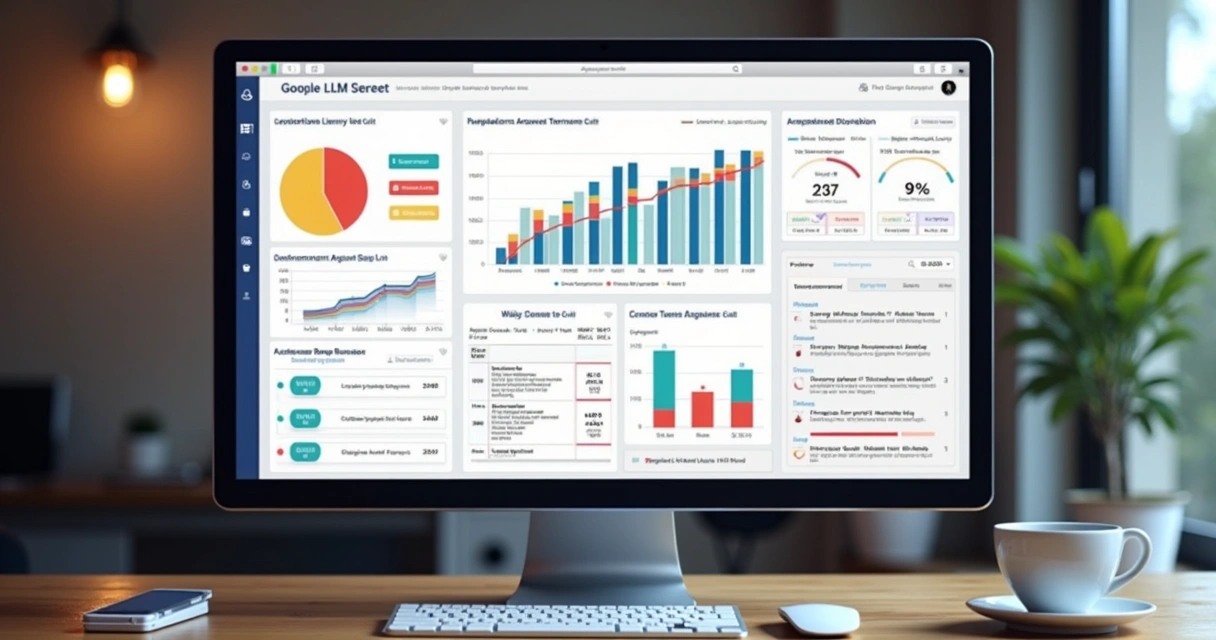
You’ll see English-language summaries, color-coded graphs, and the chance to click into any metric for more detail. Even someone with almost no analytics background can spot changes, pick up on trends, and share insights with their team right away.
3. Using automated alerts
I strongly recommend turning on email or app alerts. These notifications tell you when there’s a sudden shift—maybe your brand went from positive to negative, or a feature you don’t offer is suddenly being “mentioned” by an AI. That is where LLM monitoring really shows its value. Nobody has time to stare at a dashboard all day.
The best results come from tools that tell you when something changes.
This feature alone reduces stress for non-technical users and lets you catch real issues fast.
4. Reading plain-language reports
Every week or month (you choose), you get a report. It highlights:
- What top LLMs said about your brand
- Sentiment shifts over time
- Major “hallucinations” or errors to fix
- Sources cited by LLMs (so you can influence or correct them)
These are written for busy professionals—not data scientists—and focus on next steps, not stats for the sake of stats.
Real-world use cases anyone can follow
In my experience, the most common use cases for non-expert users are:
- Quickly identifying if an LLM has shared outdated pricing
- Spotting a competitor being cited for features your product actually offers
- Discovering negative sentiment spikes tied to a recent industry event
- Making reporting to the C-suite easier (copy-paste graphs, plain-English summaries)
I remember one campaign where we found an LLM describing our company as “discontinued,” simply because of an old blog post it found. With getmiru.io, we caught it in the weekly report, identified the source, updated our content, and saw the error disappear the next week. This type of insight used to take days of manual searching.

Practical tips for non-technical users
Over time, I gathered a few tips that make the process almost effortless:
- Start by monitoring just 3–5 queries you care about most. Simplicity first.
- Use the preset alerts; don’t try to build custom ones immediately
- Read the “hallucinations” section to see what details the models get wrong—these are your quick wins for correction
- If you notice a new pattern, add a note in the dashboard to share context with your team
- Bookmark helpful resources such as the artificial intelligence category in your resource hub
The less you overthink the dashboards and features, the more value you get out of basic, focused monitoring every week.
How to turn insights into action
You identified that ChatGPT claims your product “lacks” a popular feature, while you released it last month. What now? I’ve had good results by following this order:
- Update your website or blog with clear, current details (LLMs love up-to-date sources)
- Reach out to your top linked sources, like Wikipedia or business listings, to correct old info
- Send a quick note to the marketing or PR team about the false or outdated impression
- Track the next cycle’s reports to verify the LLMs reflect the correction
If you're looking for inspiration, I’ve found ideas and templates from the reputation monitoring blog, easy to adapt for your situation. Over time, you’ll spot repeat hallucinations and fix the problem right at the source.
Bringing it together: LLM monitoring for the rest of us
LLM reputation monitoring is no longer just for tech departments or big-budget teams. In my view, the shift to tools like getmiru.io, with preset dashboards, instant alerts, and reports designed for everyday business leaders, has made it accessible to everyone.
If you want more background or practical insights, the monitoring section or marketing content hub are great starting points. There are even examples you can see in real-life reports, such as the detailed brand example post.
The future of search, brand discovery, and customer questions is powered by AI. You can follow that wave—without learning a line of code.
Conclusion
Even if you have not worked with LLMs or reputation data before, platforms like getmiru.io make monitoring what AI models say about your brand easy, actionable, and accessible. You get simple dashboards, clear reports, and instant alerts, ready from day one—no technical experience needed. If you care how your brand appears in the AI-first world, this is the right time to start using LLM monitoring for your business growth. Try getmiru.io to see how achievable it is for you and your team.
Frequently asked questions
What is LLM reputation monitoring?
LLM reputation monitoring is the process of tracking and analyzing what large language models like ChatGPT, Claude, Gemini, and others say about your brand, products, or industry. This helps you identify errors, reputational risks, and sentiment trends so you can make informed communication decisions.
How to use LLM tools without expertise?
Most modern solutions, including getmiru.io, are built with user-friendly interfaces, preset dashboards, automated alerts, and reports in plain English. Anyone—regardless of technical skill—can set up an account, pick the right queries, and review weekly summaries to see how LLMs discuss their company.
Is LLM reputation monitoring easy to use?
LLM reputation monitoring can be very easy, especially with platforms designed for non-technical users. Simple setup processes, clear visuals, and notifications help you manage everything in just minutes per week.
What are the best LLM monitoring tools?
The best LLM monitoring tools offer preset dashboards, automated alerts, citation analysis, and actionable reports for non-specialists. Solutions like getmiru.io bring all these features together, without demanding technical training or coding.
How much does LLM monitoring cost?
Costs can vary based on the features you choose and the size of your brand footprint, but many platforms provide transparent pricing with free trials or tiers. Investing in LLM monitoring can prevent reputation issues and brings clear value to your marketing and PR efforts.