
When I started tracking public sentiment about brands a decade ago, the job felt simple. Scan social media, pull a few reviews, and you would have a basic read on how people felt. But in 2026, things look very different. Most of us now ask large language models (LLMs)—not search engines—when we need a product recommendation or want the truth about a brand. The impact? Sentiment analysis has shifted from being about monitoring the noisy crowd to understanding what AI itself thinks.
Why sentiment analysis changed its focus
In my experience, brand managers and marketing teams now obsess less about what people post on traditional platforms. Instead, the bigger question has become: “What does ChatGPT, Gemini, or Claude say about us?” LLMs summarize the world’s information, and their summaries shape decisions, from which service a business uses to which app tops a consumer’s shortlist.
Sentiment analysis now includes monitoring, interpreting, and even correcting what AI models say. If a model suggests your product quality “declined in 2024” or that your price “jumped last year,” that can easily eclipse a thousand good tweets in how it affects perception.
AI now tells the first story most people hear about your brand.
What sentiment analysis means in 2026
I’ve been fortunate to see the shift firsthand. Today, sentiment analysis combines three main activities:
- Tracking AI-generated text about your brand across major LLMs
- Scoring the mood, slant, or emotion in those answers (positive, negative, neutral, and nuanced categories like skeptical, excited, or cautious)
- Looking at citation patterns—where the AI is getting its info—and how frequently it repeats certain opinions
I’ve seen cases where a single LLM response—because it was slightly negative—soon became the most-seen narrative about a company, surfacing in user research, sales calls, and even job applications.
What are the key metrics in LLM-centric sentiment?
Whenever I work with AI-driven marketing teams, we quickly agree on the new metrics. These are the ones that matter most:
- Sentiment Score: Not just a simple positive/negative rating. Now it is split by channel (ChatGPT, Gemini, etc.), question theme (“pricing,” “trust,” “comparison”), and even date range.
- Reputation Index: An aggregate number showing how LLMs describe the company, combining sentiment, citation count, and answer completeness.
- Change Tracking: Spikes or drops in positive/negative mentions, which often align with news events, press releases, or even competitor changes—if they influence the AI’s output.
- Hallucination Rate: The frequency of invented facts, old pricing, or wrong features. If AI gets it wrong, you risk serious reputation damage.
- Citation Recurrence: How often the AI pulls from outdated, unreliable, or negative web pages.

How companies act on changing sentiment
In my last project, we noticed a sudden dip in sentiment on ChatGPT’s answers about a SaaS platform. Most of the answers had switched from “easy to use and affordable” to “sometimes confusing interface and recent price hikes.” The client was shocked because they hadn’t changed their pricing structure. The data told a different story.
Here’s what happened next. The marketing and brand team:
- Identified the outdated blog post that was cited as the source for the price hike.
- Updated the most visible support and product docs to clarify the actual pricing.
- Contacted partners and PR channels to refresh their info.
- Submitted feedback to the LLM platforms to correct the misinformation.
- Tracked sentiment weekly to see if (and when) the AI models updated their answers.
This cycle—spotting AI-driven reputation shifts, reacting, and tracking corrections—is now part of every modern marketing workflow.
LLMs can amplify tiny errors into lasting brand narratives.
Case study: Using AI to fix a brand's reputation loop
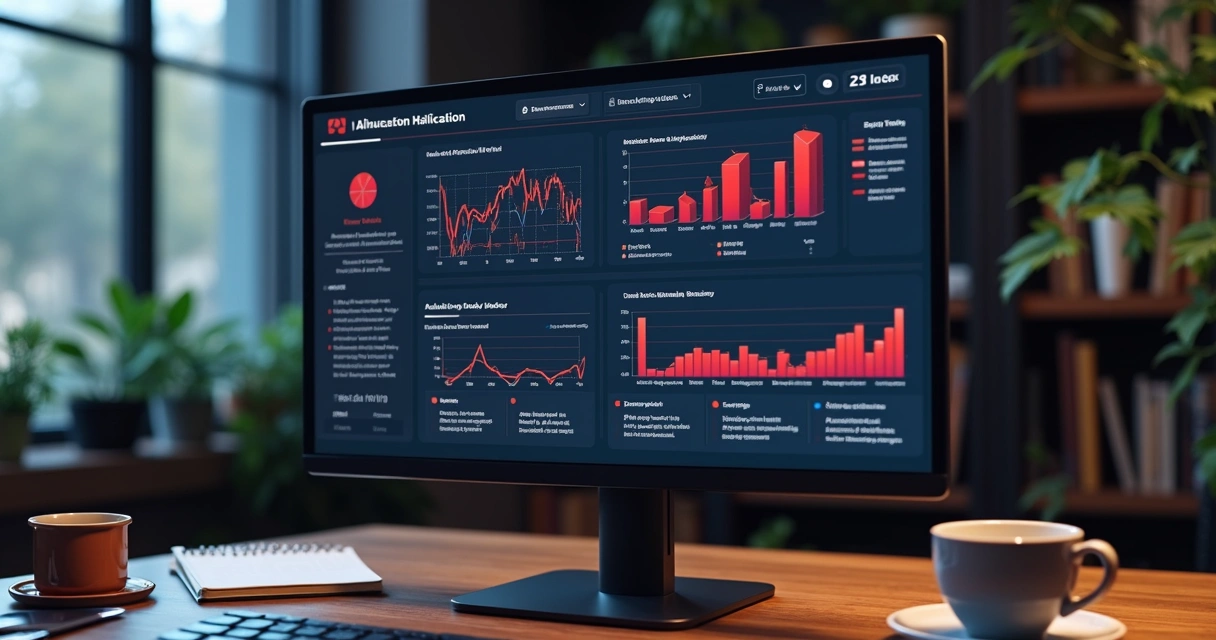
A few months ago, I worked with a software tools company after getmiru.io flagged negative sentiment trends in AI results about them. The language model feedback went from “industry leader in innovation” to “lagging behind competitors.” Their own surveys and web traffic hinted nothing was wrong—the issue was the AI’s summary.
We spent a week dissecting LLM outputs, tracing citations, and asking slightly different questions to model users. It turned out a two-year-old industry report full of outdated comparisons had become the main citation. Once we updated the public information and reposted new case studies, both the AI sentiment and organic public reviews shifted in a matter of weeks.
How LLMs “think” in 2026 and why it matters
I often get asked: “Why does it matter so much what a chatbot says?” In 2026, people trust LLM answers because they feel immediate, clear, and almost human. They ask, “Is this the best?” “Should I switch?” or “What do others say?” And what comes back sounds authoritative.
If your brand is described as “uninspired” or even “average,” people move on. If AI repeats years-old problems as if they were current, you are fighting ghosts.
That’s why I believe tools like getmiru.io are so valuable today. The focus is not just about reputation in web searches, but about LLMs that influence billions of daily decisions. With integrated tracking of AI, news, and digital trends, you build a complete reputation picture.
If you want to know more about AI and how it impacts reputation, there are plenty of insights on AI-related topics and digital reputation in our latest guides.
The new workflow for sentiment analysis
Today’s sentiment analysis isn’t a one-off dashboard check. Here’s the workflow I see winning teams use:
- Schedule regular monitoring across LLMs, with daily or weekly reports.
- Flag sudden shifts in sentiment or spikes in negative tone using dashboards.
- Pinpoint citations and check sources for accuracy and recency.
- Act: update documentation, refresh landing pages, reach out to influencers.
- Submit corrections or clarifications to LLM feedback tools.
- Follow up and track changes over time, celebrating when corrections take effect.
If this process interests you, you might want to read more about digital monitoring and modern marketing strategies.
How to make sentiment work for your brand in 2026
I suggest setting up clear ownership of LLM sentiment tracking within your brand or agency. Assign team members to check regular reports, and always cross-reference negative AI sentiment with the actual source material cited. When you see outdated or false info, update it fast—LLMs might learn quickly or stick to old data for months.
The feedback loop is tight in 2026: Actively manage your online presence, and you improve what AI says about you. Ignore it, and your story gets written by someone else.
For those who want a practical example of correcting public info and shifting LLM perception, there is a helpful case here: correcting brand information at scale.
Conclusion
Sentiment analysis in 2026 is now at the center of how we craft and protect brand perception. The shift to AI-first search means you are rarely the first or last word about your own company—language models are. My advice is clear: track your reputation inside every LLM that matters, use specialized tools like getmiru.io, and stay ready to update your story for both people and machines.
If you are ready to protect your brand’s reputation where it matters most, reach out to us at getmiru.io and discover how real-time AI monitoring can put you back in control.
Frequently Asked Questions
What is sentiment analysis for brands?
Sentiment analysis for brands means measuring the emotional tone, positivity, negativity, or neutrality of text that discusses a company, product, or executive across online content and—by 2026—AI-generated language outputs. This gives brands a data-driven read on how they are viewed, which drives everything from customer trust to purchase decisions.
How does sentiment analysis affect perception?
Sentiment analysis shapes perception by identifying and summarizing the main feelings or attitudes that people—and now AI systems—express about your brand. If most LLM answers about your offering are negative or critical, this becomes the default mental image for users seeking info or making buying choices.
Is sentiment analysis worth it in 2026?
In my experience, sentiment analysis is more valuable than ever in 2026, because the volume and influence of AI-driven recommendations and summaries far outstrips traditional reviews or word of mouth. Brands can no longer ignore how LLMs describe them. It’s the direct path to winning or losing trust.
How can I use sentiment analysis tools?
You can use sentiment analysis tools by setting up regular brand monitoring, reviewing detailed sentiment dashboards, checking for inaccuracies, and quickly updating any mismatched information in your official channels. Tools like getmiru.io now help you watch LLM platforms, automate alerts, and track sentiment change over time.
What are the best sentiment analysis tools?
I recommend tools focused on monitoring LLM outputs, tracking citations, and providing actionable intelligence. getmiru.io is one example that lets you see how major AI platforms perceive your brand, which sources they reference, and when sentiment shifts—ensuring you act quickly to manage your reputation.