
I have seen enough crises unfold to recognize that the rhythm of reputation management has changed. Now, your brand can be redefined by what an AI language model says in response to a question asked halfway across the world. The speed and nature of crises in 2026 demand that we rethink old habits. Here are the seven most common errors I have witnessed—and how you can sidestep them in this AI-powered era.
Forgetting the LLMs: Ignoring what AI says about you
A decade ago, people would rush to Google in a crisis. Today, they turn to ChatGPT, Gemini, or Claude and ask direct questions. If you are not tracking what large language models say about your brand, you have a blind spot. Misinformation, hallucinations, or outdated facts can spread globally before your PR team even crafts a response.
If you do not monitor AI-generated answers about your brand, you are missing early warning signs of emerging crises. Not long ago, a fintech company watched their reputation nose-dive when a popular LLM incorrectly reported a major data breach. The story took on a life of its own—completely detached from reality—because the team simply never checked what AI tools were saying.
This is where I see platforms like getmiru.io adding real value. It amazes me how often teams are surprised by hallucinated AI content only after it’s gone viral.
Shooting from the hip: Responding without verifying facts
During tense moments, I see brand managers rushing to deny or correct, sometimes before they have checked all the facts. When AI is involved, the risks multiply. LLMs pull information from a wide pool of sources, some reliable, others outdated or dubious. I’ve watched teams pour hours into refuting an incident that never actually happened—because it was invented by an AI.
Before issuing any statement, I always confirm the facts through multiple channels. Getmiru.io, for example, lets you see not just what LLMs are saying, but also which sources they cite. If a falsehood is being repeated, tracking its citation lets you target the root cause, not just the symptom.
Don’t trust, verify.
Overlooking sentiment trends across platforms
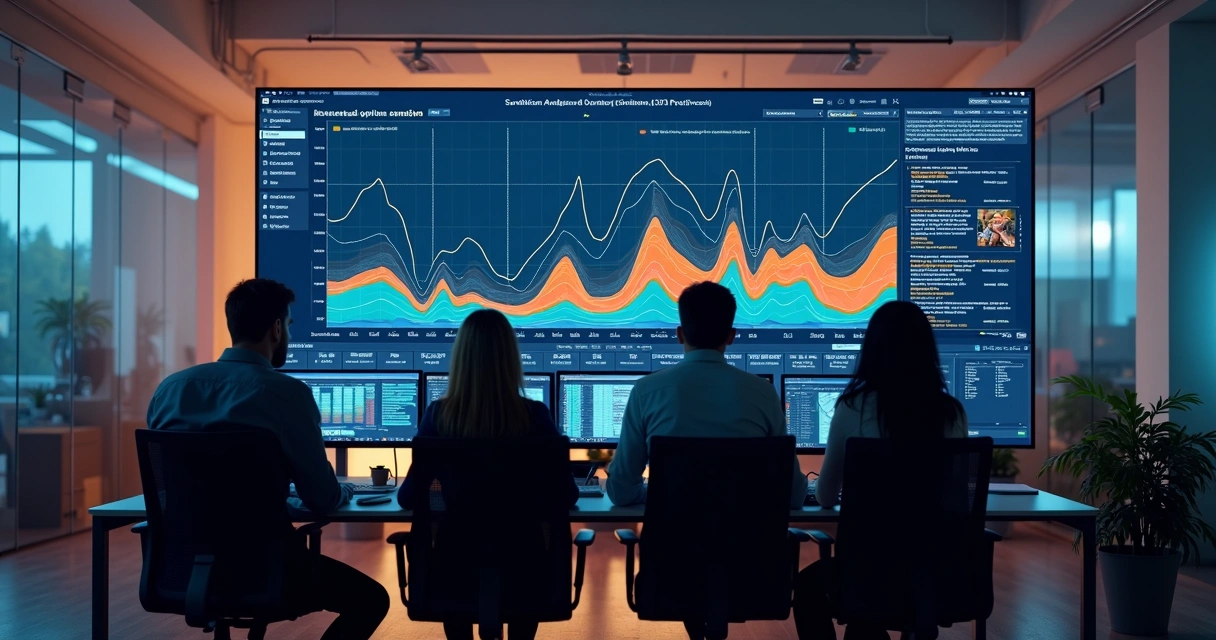
It’s easy to focus only on the loudest voices—often on social media or major news outlets. But in 2026, sentiment analysis must be holistic. AI models aggregate thousands of opinions, ratings, and comments. If you do not pay attention to evolving sentiment trends across these platforms, you miss the undercurrents that fuel perception shifts.
I make it a point to track sentiment not just as a snapshot, but as a moving trend over time. A single negative LLM answer might not cause a crisis, but a changing tide of AI-generated sentiment is a strong signal for deeper issues. For resources on digital reputation and trend monitoring, you can review topics discussed in digital reputation content.
Underestimating speed: Waiting too long to react
In the age of rapid LLM-driven discovery, delay is deadly. I have seen negative stories snowball within hours as AI models echo each other, updating their answers from circulating rumors. Timeliness is more than a nice-to-have. It is mandatory.
A delayed reaction can solidify misinformation in the public’s mind, making later efforts to correct the story much more difficult. Earlier this year, a client hesitated to respond to a minor feature change highlighted incorrectly by an AI. By the next morning, several LLMs had “learned” and spread the wrong version.
Immediate action could have contained it. However, panicking and rushing without checking facts is another trap—balance is key.
Focusing only on social, forgetting AI-driven search
Brands are used to obsessing over Twitter, LinkedIn, and Instagram mentions. Yet, the silent majority now search by asking questions to AIs or using conversational search platforms. These AI-driven responses often rank higher in user trust than traditional online content.
I recommend expanding your media monitoring to include not only news, blogs, and social posts, but also responses given by popular AI models. Insights on conversation trends and how your messaging lands in AI answers will keep you from missing the next crisis brewing quietly in these new channels. For those interested, sections on brand monitoring highlight these new frontiers.

Not connecting crisis signals with competitor positioning
Every crisis is about your brand, but it’s also about context. Has an LLM made an unfair comparison? Is there a sudden shift in how your competitors are positioned when users ask for “the best in your category?” I have come across situations where a crisis escalated because an AI model listed a brand as “lagging behind,” mistakenly citing outdated articles.
With getmiru.io, it becomes much easier to track how LLMs compare your business to others, and notice when you are being painted in a worse light. This type of competitor intelligence is new, but I consider it part of regular crisis readiness.
Ignoring the feedback loop: Not learning from AI incidents
The fastest way to repeat mistakes is to treat every crisis as a one-off. AI-driven crisis moments—falsehoods, sentiment swings, misinformation—are now repeating patterns. I always document when and how a crisis started, what fuelled it, and which AI models or platforms amplified it.
- Was it a hallucinated feature never actually released?
- Did a negative review get echoed by AIs for weeks?
- Was a competitor unfairly favored due to an old citation?
By learning from these feedback loops, you can adapt before history repeats. For more detailed breakdowns on marketing and sentiment topics, the marketing section offers good starting points.
Conclusion: Managing crises means watching the new frontiers
Crisis management in 2026 is not about simply being fast or visible—it is about being smart, early, and present in the places where brand narratives are now shaped. From LLM monitoring to tracking sentiment and correcting AI-based hallucinations, I have witnessed how the right approach makes all the difference.
If you want to avoid preventable crisis mistakes, make sure your reputation strategy includes AI monitoring and rapid, fact-based response.
If you want to protect—and strengthen—your reputation in the era of AI-driven search and language models, getmiru.io is built for exactly this purpose. Learn more about how our tools can help you build the next generation of brand protection.
Want to see specific examples of how AI-driven misinformation can grow during a crisis? There are some great short breakdowns, like how a brand responded to false AI claims and how sentiment tracking avoided escalation that give practical ideas to apply in your own planning.
Frequently asked questions
What are common crisis management errors?
Some of the most frequent errors include ignoring what AI language models say about your brand, reacting before verifying facts, missing sentiment trends, delaying your response, focusing only on social channels and forgetting new AI-driven search platforms, ignoring how competitors are positioned by AIs, and failing to learn from past incidents. Each can magnify the impact of a crisis in the digital age.
How to avoid mistakes in a crisis?
The best way to avoid mistakes is to monitor all channels—including LLMs—verify facts before responding, track sentiment trends, act quickly but thoughtfully, include AI-generated search in your awareness, and document the process for future learning. Preparedness, regular practice, and the right technology help reduce impulsive reactions.
What is crisis management in 2026?
In 2026, crisis management means watching both traditional and new AI-driven information streams for threats. It involves proactively monitoring language models, responding quickly to errors or misinformation, tracking brand sentiment, and making sure your official updates reach all the channels where users get information about your company. Crisis moments move faster and adapt through AI recommendation systems now.
Why is crisis planning important?
Crisis planning allows you to react calmly and effectively, minimizing harm to your brand and restoring trust quickly when things go wrong. Without a plan, brands risk compounding errors and facing stronger backlash from a mix of human and AI-driven sources.
How can I build a crisis plan?
Building a robust crisis plan starts with identifying all the channels—social, news, blogs, and now AI platforms—where your brand appears. Set clear protocols for monitoring, fact-checking, quick decision-making, and assigning responsibilities. Include AI monitoring tools like those from getmiru.io to give yourself full awareness. Regularly review and run crisis scenarios with your team so you are ready to act fast if an incident arises.